

Tooth Wear Care
for Sensitive Teeth
Find relief from sensitivity, discomfort, and worn teeth with advanced dental treatments tailored to your needs.
Tooth Wear at Mona Vale Dental
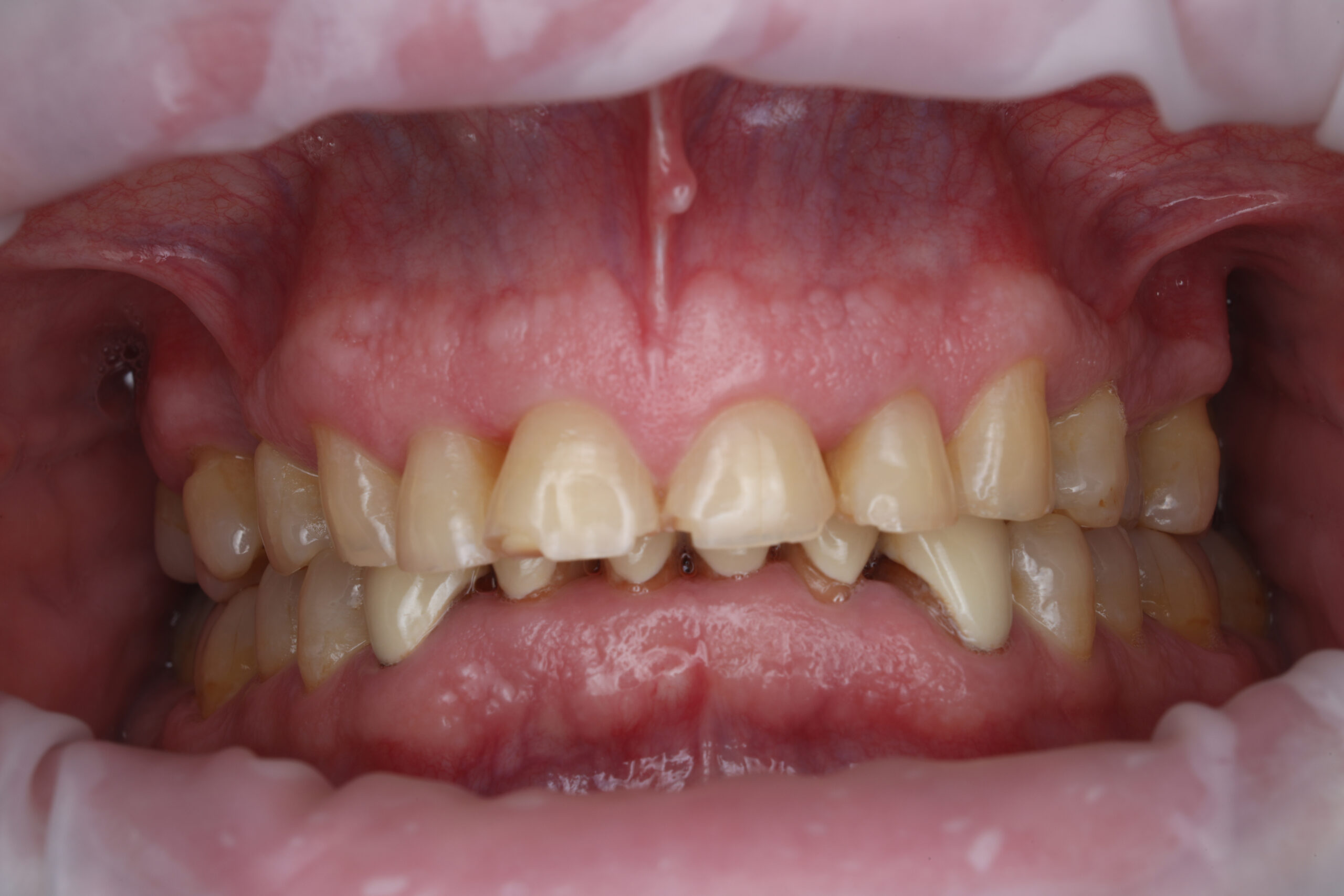
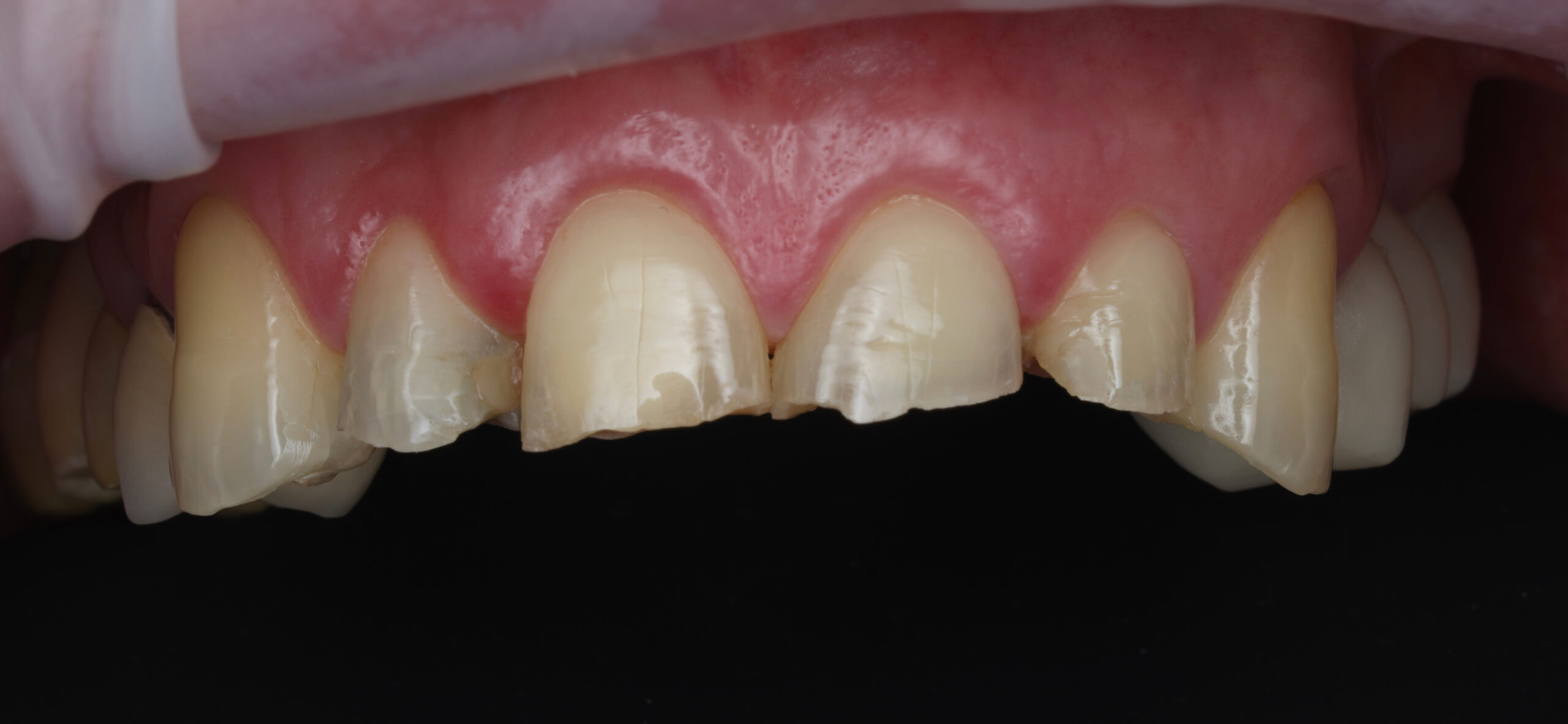
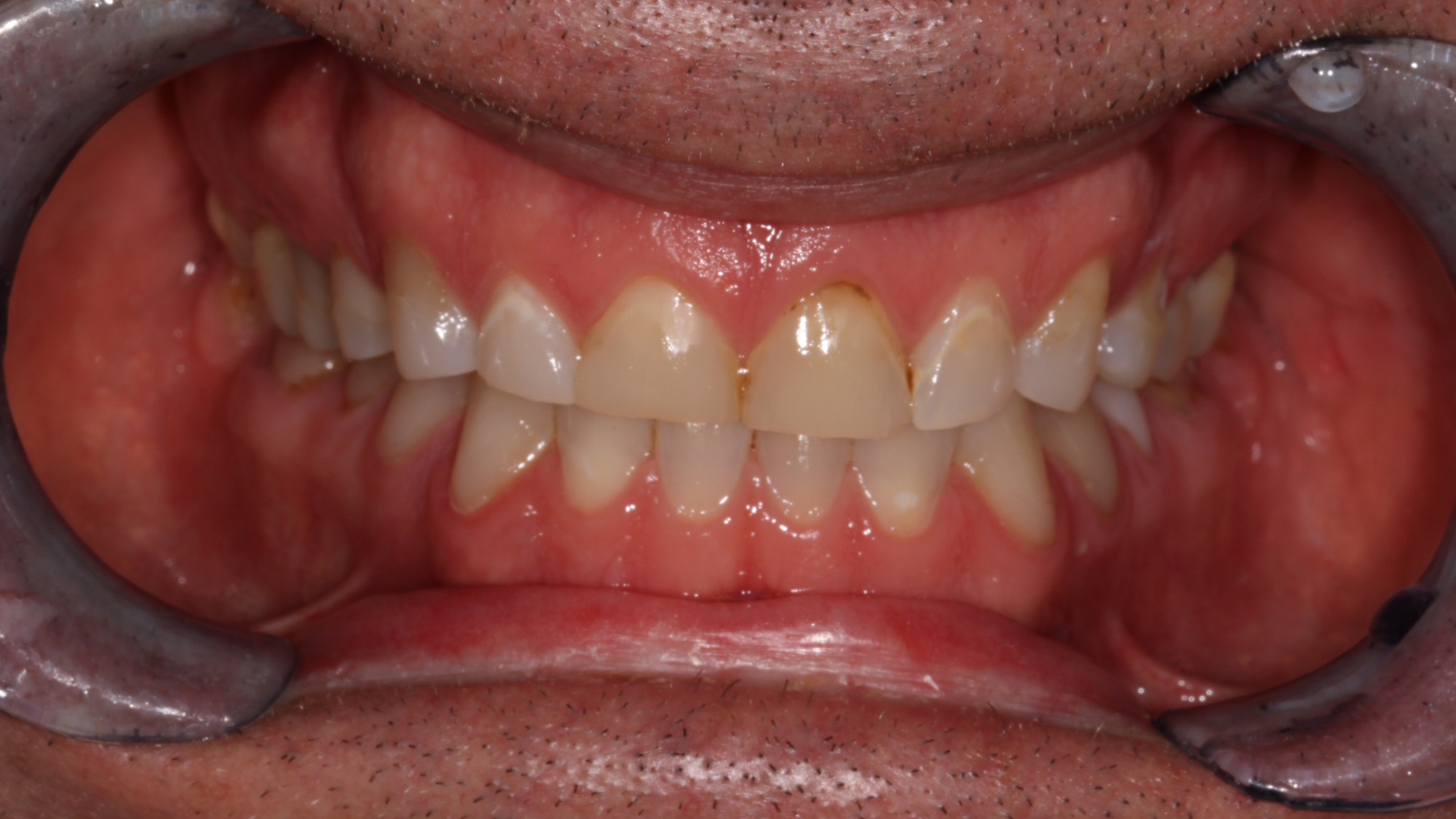
Tooth wear can show up as shorter teeth, sensitivity, chipping, flattening of the biting surfaces or changes in the way your teeth meet. The cause is not always straightforward, and more than one factor may be involved. Tooth wear refers to the gradual loss of tooth structure, which can affect eating, drinking, comfort and the appearance of your smile.
Before treating worn teeth, we need to understand why the teeth are wearing. This may include looking at acid erosion, grinding or clenching, the way the teeth meet, how the jaw moves, and how the muscles and jaw joints are functioning.
Advanced 4D Jaw Tracking
We’re one of the few Australian practices with MODJAW® technology, which records jaw movement in real time to identify bite issues, grinding habits, and sources of jaw pain. For patients with tooth wear, this can help us understand how the teeth contact during movement, whether the bite may be contributing to wear, and how the jaw joints and muscles are working together.
Tooth Wear Expertise
Dr Alistair Graham has a particular interest in tooth wear and complex restorative treatment. He focuses on understanding why the teeth are wearing before recommending treatment and teaches dentists across Australia in tooth wear, complex treatment planning and restorative dentistry.
Leaders in Dental Education
Dr Alistair Graham and Dr Andrea Shepperson run Australia’s first dedicated tooth wear courses for dentists. They share advanced techniques to improve diagnosis and treatment. This training helps dentists across Australia provide more accurate diagnoses and better long-lasting results.
Causes and Signs of Tooth Wear
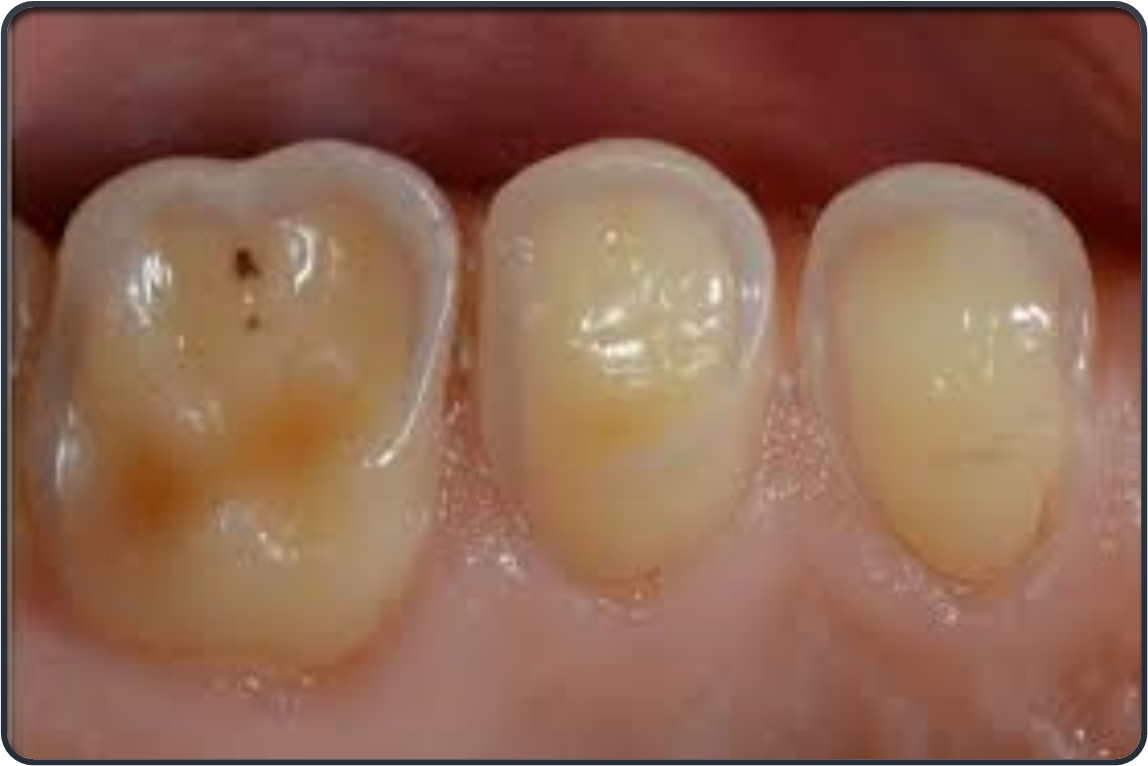
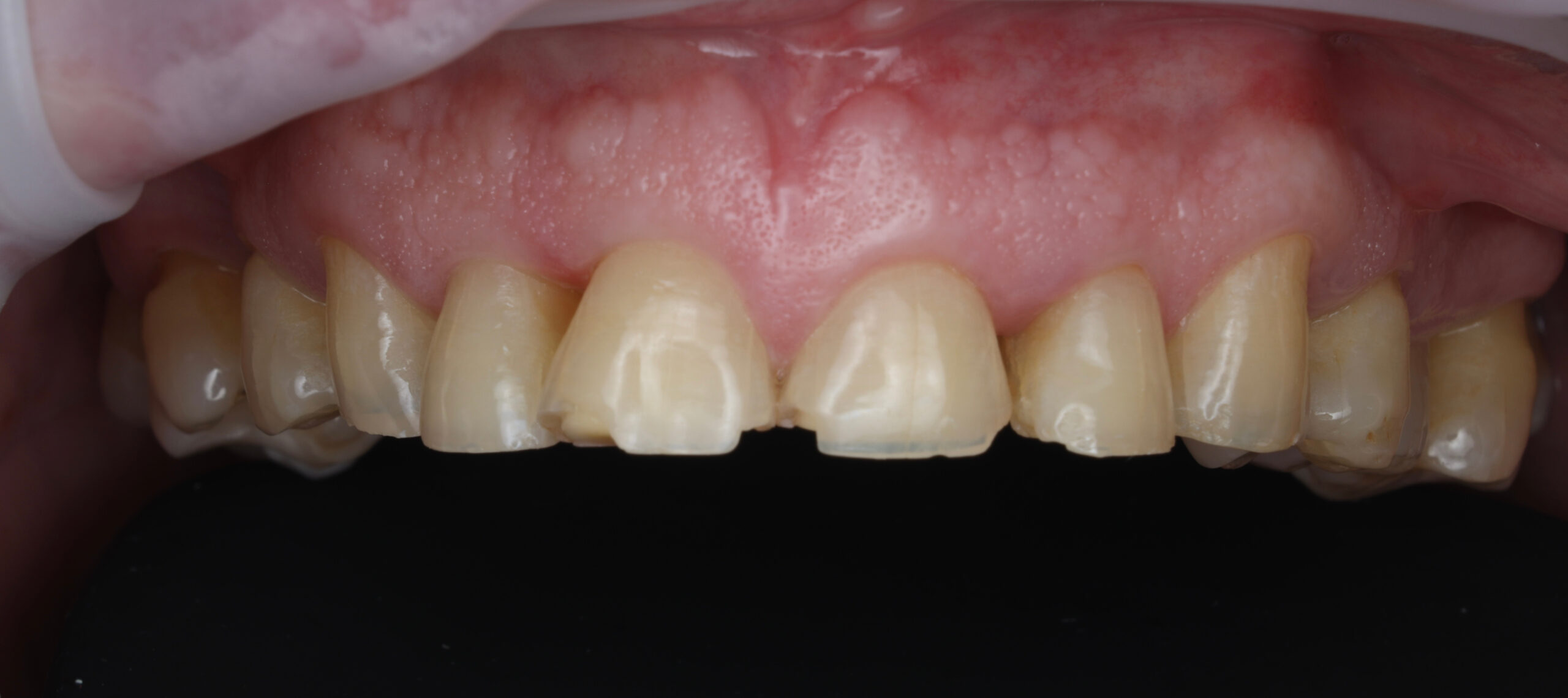
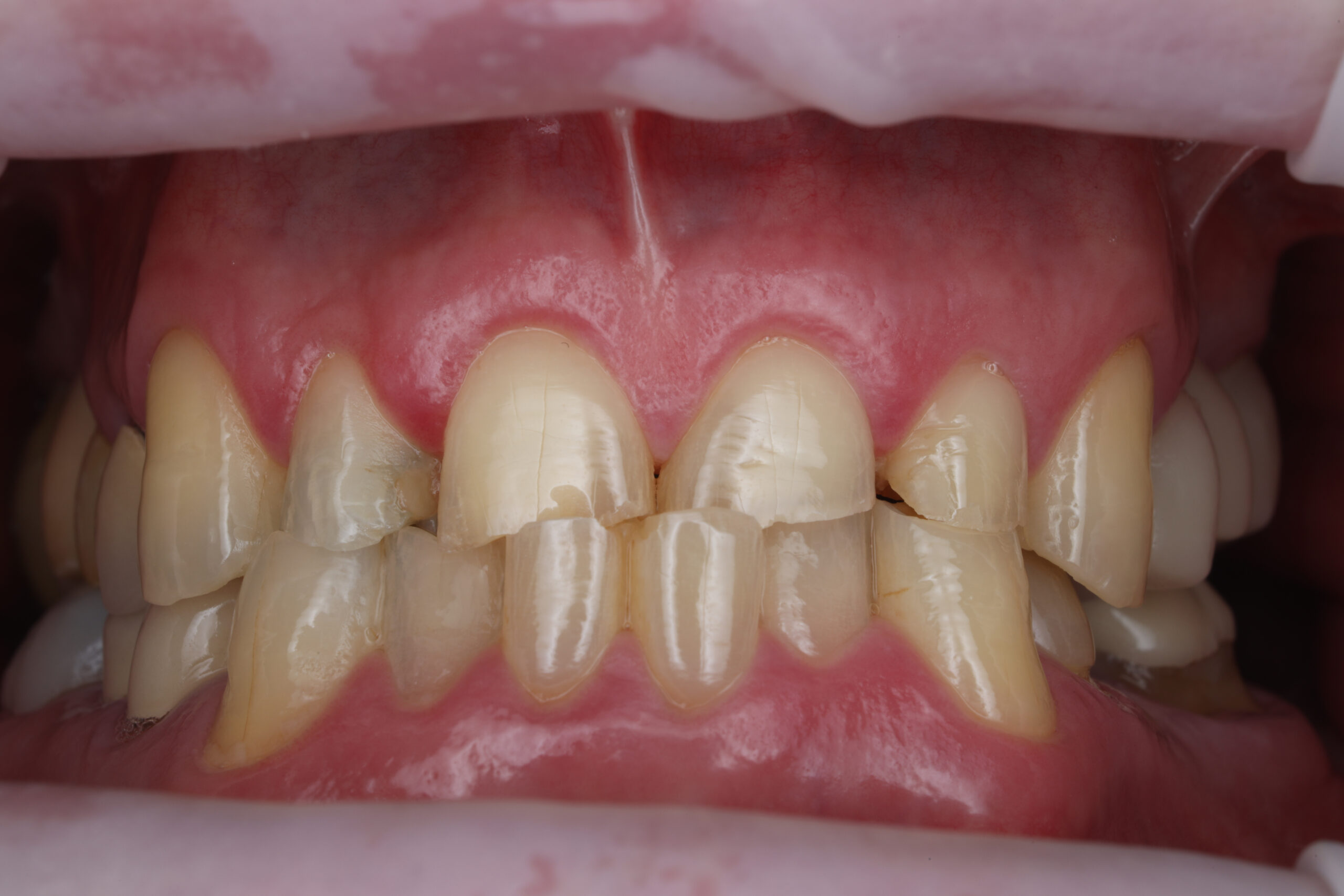
Tooth wear usually develops slowly, and many people do not notice changes until the wear is more advanced. It can also have more than one cause, which is why careful diagnosis matters before recommending treatment. The main types of tooth wear are:
Attrition
Erosion
Abrasion
Treatments for Tooth Wear
The most common concerns people experience from tooth wear are sensitivity and structural damage. Cold, sensitive teeth from erosion can indicate your enamel has worn thin. This exposes the layer underneath, which can make consuming hot or cold foods more uncomfortable. Cracked and chipped teeth can become vulnerable to further damage and, depending on the extent of the damage, may require treatment to protect the tooth.
The right treatment depends on how much wear has occurred and what’s causing it. Our focus is on protecting your teeth, restoring strength, and keeping you comfortable.
Managing
Teeth Sensitivity
Desensitiving toothpaste and flouride treatments
Dental bonding or professional fluoride applications
Crowns or veneers for full protection
Repairing Broken
or Chipped Teeth
Same-day composite bonding
Porcelain veneers or crowns
Full mouth rehabilitation to restore your bite and appearance
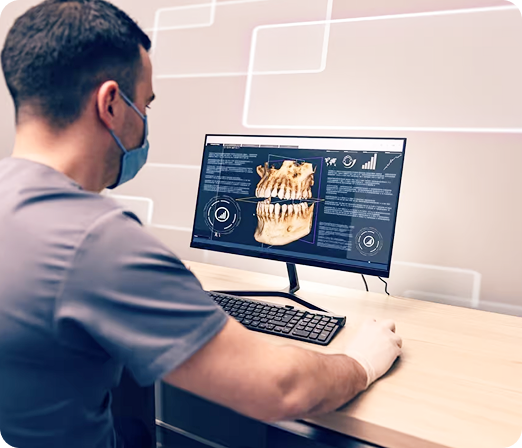
State-of-the-Art Digital Dentistry
Modern technology allows us to detect wear earlier, understand why it may be happening, treat it more precisely, and monitor changes over time
Tailored Treatment Plans
After technology-guided testing, our team can discuss tooth wear management, teeth sensitivity treatments, and dental erosion solutions that suit your needs. In more complex cases, we also assess how the teeth meet and how the jaw moves before rebuilding worn teeth or changing the bite.
Fluoride treatments to make weak enamel stronger and more durable
Bonding to fix chips and build up worn spots with tooth-coloured composite
Dental veneers to restore appearance and function
Same-day crowns that cap badly worn teeth, protecting them and improving function
Custom night guards to help prevent damaging grinding while you’re sleeping
Full smile and bite rehabilitation when significant wear affects multiple teeth
Most patients benefit from a combination of treatments, depending on the cause of the wear, the amount of tooth structure affected, and what they would like to improve. We'll talk you through everything, including costs, treatment duration, and expected outcomes.
Life After Dental Treatment
We want your results to last. After treatment, we’ll help you maintain comfort and function. To do so, we provide services that:
Make your teeth look and function better
Offer clear aftercare instructions on how to look after them
Include regular check-ups so we can monitor your tooth wear
Help reduce the risk of further tooth wear or damage
Answer any question you have with expert-backed insight

About Mona Vale Dental
Our Northern Beaches based dental practice provides a warm and inviting atmosphere where you can feel completely at ease. Our team of dental professionals develops treatment plans with your comfort in mind.
With genuine compassion, we take the time to listen to your goals and concerns, explaining everything clearly and ensuring you understand every step of the way. At Mona Vale Dental, we pay close attention to details and make each visit a positive one.

FAQs
Do I need treatment if my teeth just look slightly worn?
Not necessarily. Mild tooth wear may simply need monitoring and advice to reduce further wear. An assessment can help determine what is causing it and whether treatment is appropriate.
Why is early diagnosis and treatment of tooth wear so important?
Identifying tooth wear early can help determine what is causing it and whether it is changing over time. Depending on the cause and extent of the wear, monitoring, prevention or treatment may be recommended.
What are the long-term effects of untreated tooth wear?
Your teeth can become sensitive and painful, and even cause issues with eating. Eventually, you could lose teeth, causing a need for more costly and complex treatments.
How often should I have dental check-ups if I’m concerned about tooth wear?
If you are concerned about tooth wear, have it checked at your next dental examination, or sooner if your teeth feel sensitive, look shorter, chip easily, feel rough, or your bite feels different.
How often you need dental check-ups depends on the cause and severity of the wear. Some patients only need monitoring, while others may need prevention advice, a protective splint or restorative treatment.
Can dental erosion be repaired?
Yes, depending on the extent and cause of the tooth wear. Options such as composite bonding may be suitable in some cases, while more extensive wear may require other restorative treatments.
Can you rebuild worn-down teeth without crowns?
Yes, often we can use bonding or veneers instead, especially if we catch it early.
Why do you assess the bite before treating worn teeth?
Worn teeth are often the result of more than one factor. Acid erosion, grinding, clenching, tooth position, bite changes and jaw movement can all play a role.
Assessing the bite helps us understand whether the current tooth wear is mainly caused by erosion, tooth-to-tooth contact, muscle habits, or a combination of factors.
This helps us plan treatment around the cause of the wear, not just the appearance of the worn teeth.
What's the typical timeline for tooth wear treatment, from start to finish?
Simple cases might take 2–3 visits, whereas complex work can take several months. It all depends on how much work needs to be done.
What is MODJAW®, and how does it help with tooth wear treatment?
MODJAW® technology records how your teeth and jaw move together in 4D, which helps us plan more precise and accurate treatment.
MODJAW® helps us see how the teeth contact during movement, rather than only looking at the bite when the teeth are still.
For patients with tooth wear, this can help us understand whether the bite, jaw movement, grinding or clenching may be contributing to the wear pattern. This information can be useful when planning treatment to protect, repair or rebuild worn teeth.
How do I care for my teeth after treatment?
Good oral hygiene, regular dental check-ups and following your personalised aftercare advice can help maintain your teeth after treatment. If you grind or clench, managing these factors may also help reduce further tooth wear.