

Dental Implants Mona Vale & Northern Beaches
Replace missing teeth with a fixed, natural-looking solution that helps restore chewing function.
Planned digitally and managed by one experienced dentist from start to finish.
We understand implant treatment is a significant decision, and our goal is to help you feel informed and comfortable throughout the process.
- A calm, informed process from consultation to treatment
- Your new tooth is carefully planned before treatment begins, ensuring precision and predictability
- Managed by Dr Graham from implant placement to the final crown in one place
- We use trusted, high-quality implant systems supported by long-term research
Benefits of Dental Implants
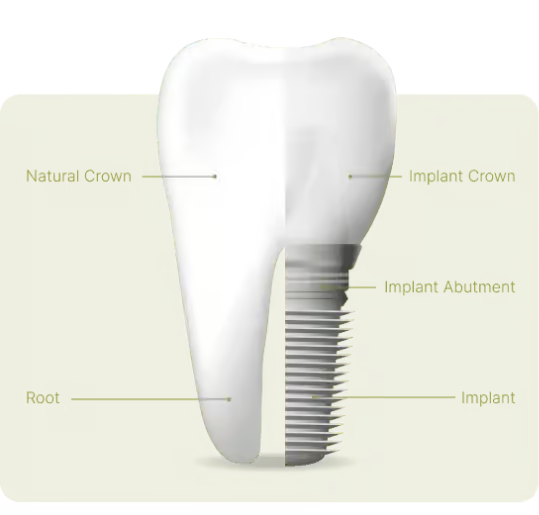
Dental implants are designed to replace missing teeth with a fixed, natural-looking solution that will support your everyday function and give you more confidence.

- Feel secure and stable when eating and speaking
- Help restore chewing function and comfort
- Look, feel and function like a natural tooth
- Help maintain jawbone structure after tooth loss
- Do not rely on neighbouring teeth for support
- Can be cared for with brushing, flossing and regular dental visits
- Fuse with the jawbone for a stable, secure fit
- Are designed as a long-term tooth replacement solution, often lasting 15–20 years or longer with proper care
Dental Implants Cost
The total cost for a single dental implant typically ranges from $6,500 to $7,500, depending on the complexity of your case. If they need bone grafting or IV sedation, it will be an additional cost, which will be discussed with the dentist.
Before treatment begins, we will provide a clear treatment plan, including any additional treatment that may be required, and explain what can affect the cost of dental implants.

Why Choose Mona Vale Dental for Dental Implants?
Dental implants are not just about replacing a missing tooth. The best results come from careful planning, precise placement and a well-designed final crown.
At Mona Vale Dental, your treatment is managed in one place, from implant placement through to your final crown. This means you do not need to visit multiple clinics for different stages of care, helping create a more connected experience from start to finish.
Dr Alistair Graham has completed three years of postgraduate training in dental implants through the University of Sydney, covering both the surgical and restorative aspects of treatment. This means your implant is not just placed — it is planned with the final result in mind.
We use premium implant systems such as Straumann and Nobel Biocare, supported by decades of clinical evidence and long-term success.
Many Patients Spend Time Considering Dental Implants
It is common for patients to spend time considering implant treatment before booking a consultation.
Some people are concerned about discomfort, cost, whether they are suitable, whether the result will look natural, or whether treatment will be more involved than expected.
In many cases, patients feel more comfortable once they understand their options clearly and have had the opportunity to ask questions.
Our aim is to help you feel informed and confident before making any treatment decisions.

Am I Suitable for Dental Implants?
Most people who have lost a tooth, or are about to lose one, are suitable candidates for dental implants.
You may be a good candidate if you:
- Are missing one or more teeth
- Have healthy gums and good general health
- Have enough jawbone to support an implant, or are suitable for bone grafting
- Are looking for a long-term, fixed solution
- Do not have unmanaged health conditions that may affect healing
There are some situations where other treatments may be recommended first, including:
- Uncontrolled diabetes
- Active gum disease
- Certain medications affecting bone healing
- Ongoing smoking
- Patients who are still growing
If dental implants are not suitable right away, we will discuss other options with you, including bone grafting, bridges or removable solutions where appropriate.
Your Implant Dentist
Dr Alistair Graham is the principal dentist and owner of Mona Vale Dental. He has more than 25 years of clinical experience and completed 3 years of postgraduate training in implant dentistry at the University of Sydney, covering both the surgical and restorative phases of implant care.
Dr Graham is also involved with leading dental technology and implant brands, including Straumann, Modjaw, Dentsply Sirona and Digital Smile Design.
Patients often value having one experienced clinician oversee the process from planning through to the final result.

Are Dental Implants Painful?
Most patients are surprised by how manageable the procedure is. Many patients tell us afterwards that it was much easier than they expected.
Implant placement is completed under local anaesthetic, so you should not feel pain during treatment. After surgery, mild discomfort may occur, but this usually settles quickly and can often be managed with standard over-the-counter pain relief. Dr Graham notes that, for many patients, implant placement is less uncomfortable than having a tooth removed.
For nervous patients or for more complex implant treatment, we have IV sedation available to help you feel calm and relaxed throughout your appointment.
What to Know Before Getting Dental Implants
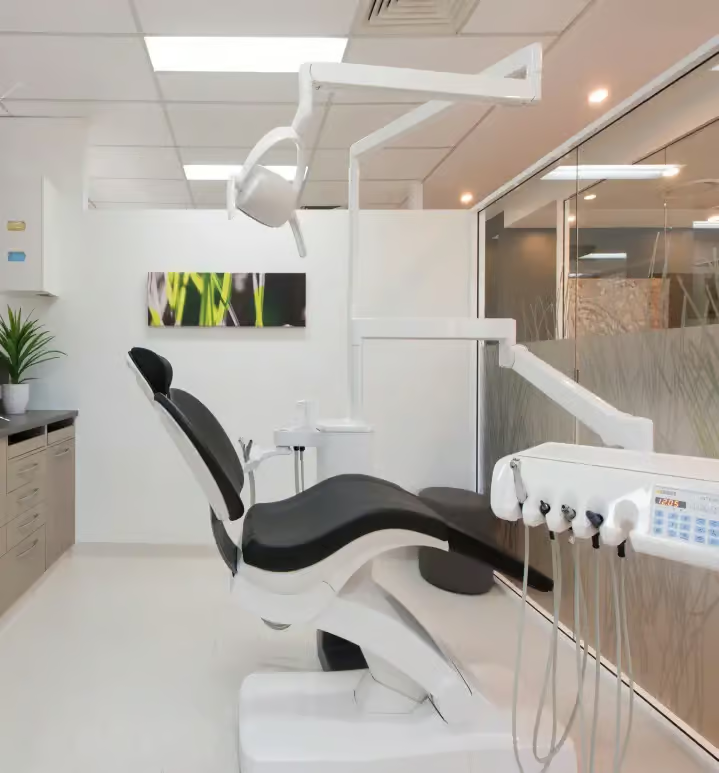
We use advanced digital technology to plan implant treatment carefully before the procedure begins. This helps us assess your jawbone, neighbouring teeth, nerves and sinuses, so the implant can be positioned safely and accurately. Digital planning and guided implant surgery help support a more precise, minimally invasive procedure.
For more complex cases, advanced technologies such as Modjaw 4-D jaw tracking and Digital Smile Design may be used to help plan the final result around your bite, jaw movement and overall function.
The Dental Implant Procedure Explained
There are four main steps involved in dental implant treatment.

Consultation and Planning
We assess the missing tooth site, surrounding teeth, gum health, bite and overall oral health. A 3D CBCT scan and digital scan may be taken.

Implant Placement
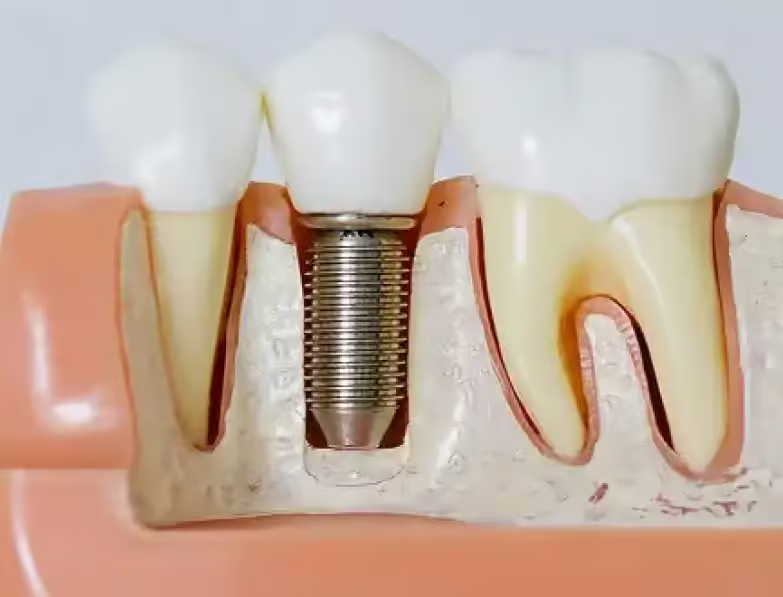
The titanium implant is placed into the jawbone using careful digital planning. Local anaesthetic is used, and IV sedation is available if needed.

Healing
The implant is left to heal and bond with the jawbone. This process is called osseointegration and usually takes around three months.

Final Crown
Once the implant is stable, a custom-made crown is created and attached to the implant. The final result is designed to look, feel and function like a natural tooth.
“I Wish I Had Done It Sooner”
Many people delay dental implant treatment for years because they are unsure what the process involves or whether it will be worth it in the end.
One of the things patients often tell us afterwards is how natural the final dental implant feels, how manageable the process was and how much easier everyday things like eating, smiling and socialising became once treatment was complete.
Ready to Find Out if Dental Implants Are Right for You?
The first step is understanding your options and whether dental implant treatment is suitable for you.
At your consultation, we will assess your teeth, gums and jawbone, explain everything clearly and help you understand what is possible, without pressure.
The consultation is designed to help you feel informed and comfortable before making any decisions.
FAQs About Dental Implants
What are the benefits of titanium over ceramic implants?
Titanium implants are the most commonly used option for dental implant treatment and have a long history of clinical use. They are strong, durable and integrate well with the jawbone, helping create a stable foundation for the final crown.
Ceramic implants may be suitable in selected cases, but titanium remains the preferred option for many implant treatments because of its strength, reliability and long-term clinical track record.
Why choose Mona Vale Dental for dental implants?
We have extensive experience with titanium implants, bone grafting and more complex dental implant cases, including cases involving cosmetic and restorative treatment. Our technology-supported approach helps us carefully plan treatment for a stable, natural-looking result.
How long does it take to complete a dental implant treatment?
The full process usually takes three to six months. This allows the implant to fuse securely with the jawbone before placing the final crown. In some cases, the implant may be placed immediately after tooth extraction, depending on the quality and amount of bone available.
Do I need a bone graft before getting dental implants?
If your jawbone is too thin or soft, a bone graft may be needed. This helps strengthen the area to support the implant long-term.
Why would I need a bone graft before dental implants?
A bone graft may be needed if there is not enough healthy jawbone to support a dental implant. Bone can gradually reduce after a tooth is lost, particularly if it has been missing for some time. We use 3D CBCT imaging to assess the available bone and, where needed, plan bone grafting before or at the time of implant placement.
How do dental implants compare to dentures?
Dental implants are fixed in place, while dentures can move or slip. Implants also help preserve bone and look and feel more like natural teeth. If you are comparing your options, it can help to understand the different tooth replacement options available.
What is the All-on-4 dental implant technique?
All-on-4 uses four implants to support a full arch of new teeth. This method provides a fixed, stable alternative to removable dentures. It’s ideal for patients with significant tooth loss.
What is osseointegration, and why is it important?
Osseointegration is when the implant fuses with your jawbone. This creates a strong, stable foundation for your new tooth.
How much downtime should I expect after the procedure?
Most patients return to normal activities within a few days. Some swelling or discomfort is normal but short-lived.
What can go wrong with dental implants?
Dental implants are highly successful, but no treatment has a 100% success rate.
In some cases, problems such as infection, bone loss or implant failure can occur over time.
The good news is that complications are relatively uncommon, and in many situations, treatment is still possible after healing.
We carefully assess risk factors such as smoking, gum health and bite forces before treatment begins.
Can smokers get dental implants?
Smokers can get implants, but smoking increases the risk of complications. Quitting or reducing smoking improves healing and long-term success.
Do you offer payment plans for dental implants?
Yes. We understand that dental implant treatment can be a significant investment, which is why we offer flexible payment plan options to help make treatment more manageable.
Our team can explain the available payment plan options, estimated repayments and deposit requirements during your consultation so you can clearly understand the costs involved before making any decisions.
We aim to make the process as straightforward and transparent as possible, with no surprises along the way.