

Mona Vale Dental TMJ Treatment Experts
“Most people are far more nervous about TMJ treatments than they need to be. Our modern dental clinic offers cutting-edge technology and a calm spa treatment experience.”
— Dr Alistair Graham
Understanding TMJ
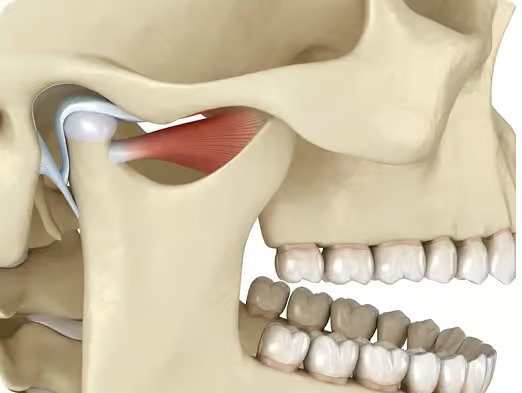
Your temporomandibular joints (TMJ) sit in front of each ear and act like hinges for your jaw. When they or nearby muscles are strained, you may notice pain, clicking, or stiffness.
If you’re looking up how to fix TMJ disorder, book an assessment with us in the Northern Beaches. For more details on the care available, read our guide “TMJ Disorder: What Is It and How to Find Relief”.

TMJ Symptoms
Some of the most common TMJ disorder symptoms our patients describe include:
- Worn or chipped teeth from long-term grinding
- Jaw pain, tightness, or aching in front of the ears
- Clicking or popping when you open wide or chew
- Ear fullness or pressure without an obvious ear infection
- Morning jaw stiffness or headaches after clenching overnight
If you’re noticing several of these signs, a TMJ assessment with our dentists can confirm what’s going on and which treatment options are suitable.
What Causes TMJ Disorder?
TMJ problems are usually linked to:
- Teeth grinding or clenching
- Stress and muscle tension
- How your teeth and jaws fit together
- Airway issues and possible Sleep Apnoea
What Happens if TMJ Disorder Goes Untreated?
Left untreated, ongoing TMJ dysfunction can lead to:
- Progressive tooth wear, cracks, or fractures
- More frequent headaches and facial pain
- Worsening jaw stiffness or episodes of “locking”
- Enlarged, overworked jaw muscles
- Higher risk of needing complex dental work later
Most TMJ disorders respond well to a structured, conservative dental treatment plan that protects your teeth, joints, and muscles.

How We Diagnose TMJ Problems
You’ll receive a comprehensive TMJ review where we take the time to understand your situation. Your visit may include:
- Jaw and bite check
- Check for wear patterns
- History of your symptoms
- Digital imaging, such as 3D scans
This allows us to confirm whether your symptoms are muscle-related TMJ issues, joint-based problems, or something that may benefit from referral or alternative care.
“Modern MODJAW 4D imaging allows us to be very precise. We can see how your jaw joints and muscles are behaving, so we don’t have to guess our way through treatment.”
— Dr Alistair
TMJ Muscle Relaxation Injections
For many patients, overactive jaw muscles drive clenching and pain, so muscle relaxation injections can be a key part of TMJ disorder treatment.
What Are TMJ Injectables?
You’ll receive carefully dosed, TGA-approved muscle relaxant medication placed into overactive jaw muscles. This can reduce grinding force, ease muscle tension, and, over time, can sometimes gently slim an enlarged lower face.

Nervous About TMJ Injections?
Feeling anxious about TMJ injectables is very common. You’ll receive ultra-fine needles, and the entire process is painless and only takes a few seconds.

What to Expect at Your TMJ Injectable Appointment
You’ll receive planning based on your TMJ findings. We combine modern dental technology with a calm, step-by-step approach.

Planning and mapping
We review your TMJ assessment and plan injection points using your exam findings and, where needed, digital imaging.

Gentle injections
Using extra-fine needles, we place small amounts of muscle relaxant into the mapped-out muscle areas.

Review and aftercare
You’ll receive clear aftercare instructions and know exactly when to expect results. We help you ensure ongoing relief even after treatment.
“I talk patients through each injection: where it’s going, how long it will take, and what it should feel like. Knowing what’s coming next removes so much of the fear.”
— Dr Alistair
How Long Do TMJ Injectables Last?
You’ll most likely feel a change within a few days, with full results at around 1–2 weeks. Relief often lasts 3–4 months. Over time, as clenching habits reduce, some patients can extend the interval between treatments. TMJ injectables are not a cure for TMJ disorder, but they can significantly reduce muscle-driven symptoms as part of a broader treatment plan.
Safety, Side Effects, and Modern Monitoring
Our qualified dentists have a deep understanding of facial anatomy, and they ensure your TMJ injection is safe.
Possible temporary side effects:
- Mild tenderness, redness, or bruising at injection sites
- Temporary tiredness when chewing very hard foods
- Short-lived headaches or a “heavy” feeling as muscles relax
We use:
- Precise dosing based on your muscle size and symptoms
- Digital photos and notes to track results and adjust at future visits
- Careful review of your medical history and medications before treatment
Benefits of TMJ Treatment at Mona Vale Dental
When you choose Mona Vale Dental for TMJ care, you’ll receive:
Dentists experienced in TMJ and bite issues
Spa-level treatment experience in a calm, modern clinic
Whole-mouth focus, including teeth, bite, muscles, and joints
Modern technology, such as digital imaging and injection mapping
Conservative, step-wise approach tailored to your goals and budget
Clear communication that involves realistic outcomes and costs up front
“TMJ care isn’t just about today’s pain. It’s about protecting your teeth and joints, so they’re still serving you well in 10 or 20 years’ time.”
— Dr Alistair
FAQs
How do I know if I actually need TMJ treatment?
You may need TMJ treatment if you keep noticing jaw pain, clicking, clenching, morning headaches, or ear pressure, and you’ll receive a clear diagnosis and plan at a TMJ assessment.
Am I a good candidate for TMJ muscle relaxant injections?
You’re often a good candidate if clenching, grinding, and muscle tightness are your main issues, and you’ll receive a full check-up first to confirm injections are right for you. TMJ injectables may not be suitable where joint degeneration, inflammatory arthritis, or non-muscle-related jaw pain is the primary issue.
Do TMJ injections hurt?
Most people describe TMJ injections as brief stings or pressure rather than pain.
How long do TMJ injectables last, and how often will I need them?
You’ll usually feel a change within a few days, with results lasting around 3–4 months before you decide if and when to have a top-up.
Are TMJ injectables safe around my jaw joint?
You’ll receive carefully planned doses based on your medical history and jaw exam, and treatment is designed to stay on the conservative, low-risk side.
Will TMJ injections change how I chew or how my face looks?
You’ll still be able to chew normally, and over time, you may notice a gentle slimming of bulky jaw muscles.
Are injections my only option, or can I try other TMJ treatments first?
You’ll be walked through other TMJ options such as splints, bite adjustments, and habit changes, with injections used only when they make sense for your situation.
What can I do at home to help my TMJ symptoms?
You’ll receive simple home tips like keeping your teeth slightly apart, skipping chewing gum, and using heat and gentle stretches to support your in-clinic TMJ treatment.
I’m anxious about the dentist; how will you support me during TMJ treatment?
We treat many nervous patients and are experienced with giving pain-free, stress-free appointments.
Will my health fund cover TMJ treatment or injections?
You’ll receive item numbers and a written plan after your consultation, so you can check exactly what your health fund will contribute before you go ahead.