

Full Mouth & Full Arch Dental Implants
Explore a more stable way to replace a complete row of missing teeth, with treatment planned around your mouth and everyday life.
If you are struggling with loose dentures or several teeth that may need replacing, it can be difficult to know where to begin. At Mona Vale Dental, we explain the options, what treatment involves and whether implants could be right for you.
Why choose Mona Vale Dental for full mouth & full arch implants?
Dr Alistair Graham provides both implant placement and the final replacement teeth at Mona Vale Dental, allowing the surgery and restoration to be planned together.
What are full arch dental implants?
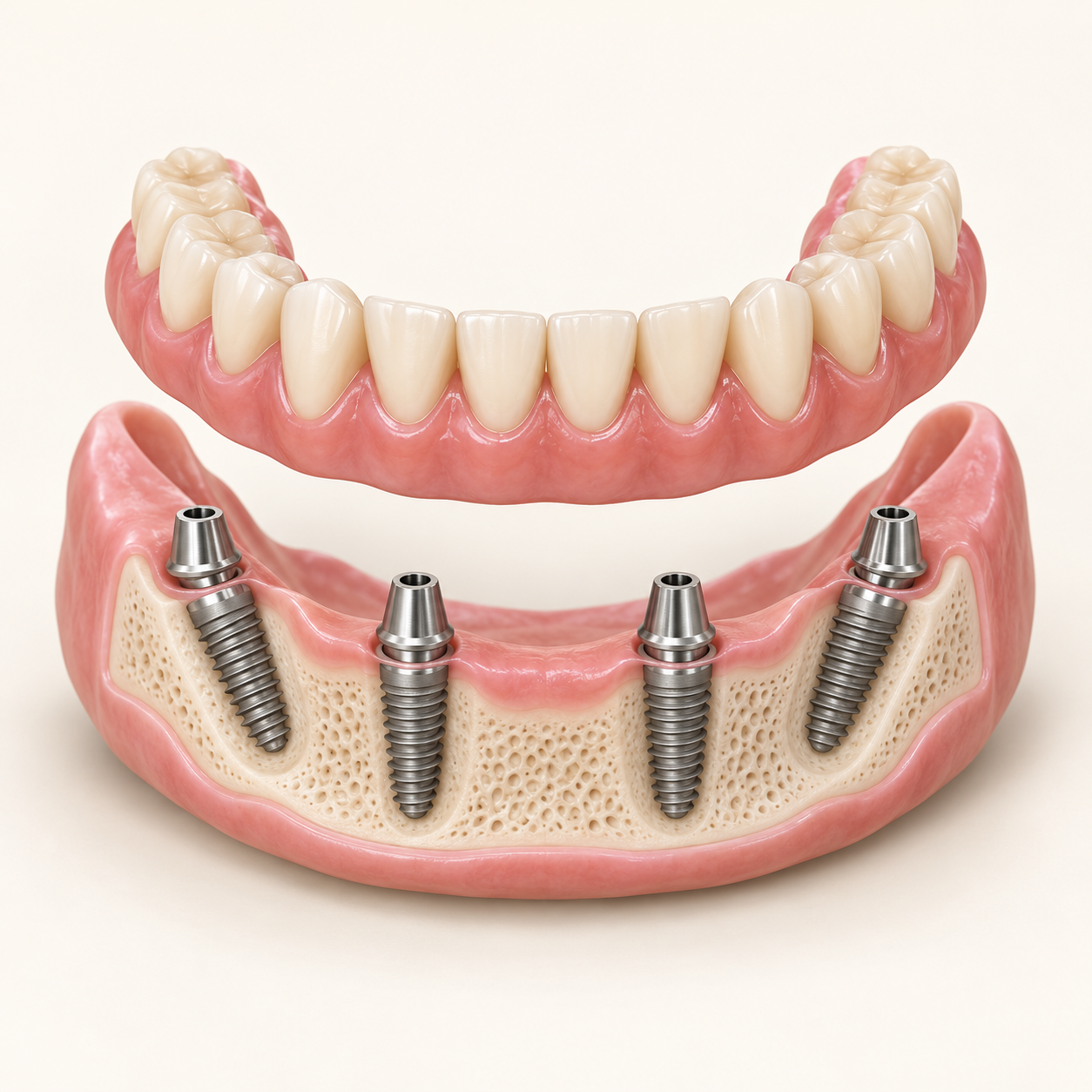
Full arch implant treatment replaces a complete upper or lower row of teeth. Several implants are placed in the jawbone to support the replacement teeth, so you do not usually need one implant for every missing tooth.
The implants provide the foundation. The teeth attached to them may be a fixed bridge or a removable implant overdenture. These options differ in how they feel, how you clean them and the care they need over time.
The starting point is deciding what needs replacing and which natural teeth can be maintained. A full arch replacement is not automatically the right choice simply because several teeth need attention.
What could treatment help you improve?
People consider full arch treatment for different reasons. We start with what is difficult for you now, then discuss what the suitable options may change.
More stable replacement teeth
Implant support can reduce movement when chewing. The improvement you can expect depends on your mouth and the type of replacement teeth.
A different experience from a loose denture
A fixed bridge stays in place during everyday use. An implant overdenture offers added retention while remaining removable for cleaning.
Teeth planned around you
Tooth shape, position and appearance are considered alongside your bite, speech and cleaning needs. There may be an adjustment period as you get used to them.
These potential benefits come with a commitment to surgery, healing, daily cleaning and regular maintenance. Understanding both sides helps you choose with confidence.
Fixed teeth or a removable option?
A fixed bridge is one approach to replacing a full arch. It is useful to understand the alternatives before deciding which feels most manageable for you. Your assessment will establish which options are clinically appropriate.
Fixed full arch bridge
Stays in place — you do not remove it at home.
Attached to several implants in the jaw.
Clean beneath the bridge and around the implants.
Implant surgery, access for cleaning and future repairs or component replacement.
Implant overdenture
You remove the denture for cleaning.
Connects to implants through attachments.
Remove and clean the denture, implants and attachments as instructed.
Implant surgery, handling the denture and maintenance of its attachments.
Conventional denture
You remove the denture for cleaning.
Rests on the gums, without implants.
Remove and clean the denture and your mouth.
No implant surgery. Stability and fit vary; adjustments may be needed.
Simplified illustrations. Implant number, position and attachment design vary.
Where natural teeth can be kept, restoring them and replacing individual gaps may be another approach. Read about the broader options for replacing missing teeth.
Who may be suitable for full arch treatment?
Full arch implants may be considered when most or all teeth in a jaw are missing, or when the remaining teeth have a poor outlook. Difficulty wearing a conventional denture can also be a reason to explore implant support.
Suitability involves more than counting missing teeth. We assess:
Some preparation may be needed first
Gum disease or infection may need treatment before implants are considered. Bone grafting may also be needed, depending on the available bone and the proposed plan.
If implants are unsuitable, or you prefer to avoid surgery, we can talk through other ways to restore function.
You do not need to know which treatment you want before booking. The consultation is where we help you make sense of the choices.
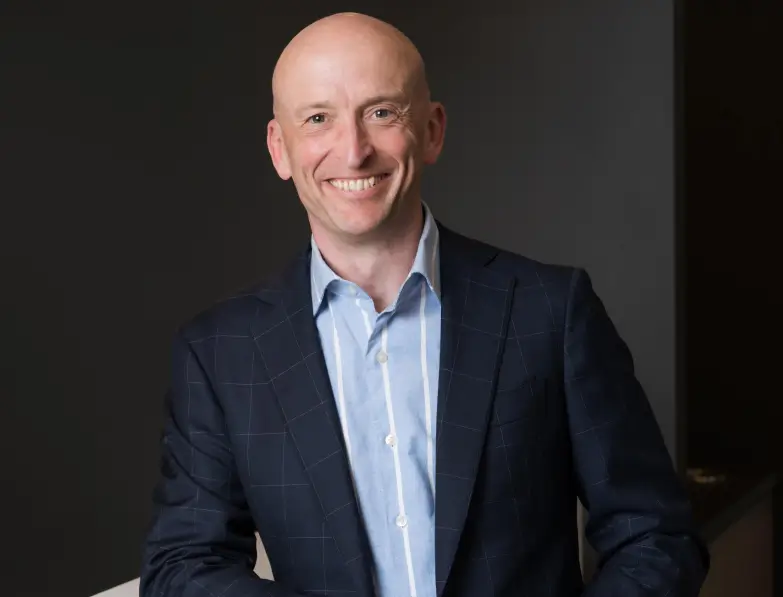
Dr Alistair Graham · Principal dentist
Your implant dentist,
Dr Alistair Graham
Dr Alistair Graham is the principal dentist and owner of Mona Vale Dental, with more than 25 years of clinical experience. His work includes dental implants, complex restorative treatment and the rehabilitation of worn or damaged teeth.
He graduated with a Bachelor of Dental Surgery from the University of Bristol in 1997 and later completed a Graduate Diploma in Clinical Dentistry in Oral Implants at the University of Sydney, a three-year postgraduate program.
His further education includes treatment planning and functional occlusion at the Kois Center in Seattle, focusing on how the teeth, bite and jaw function together. He is also a Digital Smile Design Master and educator, and teaches and mentors dentists in implant treatment, digital dentistry and tooth wear.
At Mona Vale Dental, Dr Graham provides both implant placement and the final replacement teeth. For full arch treatment, he considers the remaining teeth, bone, bite and jaw movement together, so the surgery and restoration are planned as one course of care.
What does treatment involve?
Your plan sets out the proposed appointments, preparation and healing stages. Treatment generally takes place over several months; extractions, grafting and your response to treatment can affect the timing.
Assessment & preparation
We examine your mouth, review your health and discuss suitable options, risks and fees. Any gum treatment, extractions or grafting are planned, along with what you may wear while healing.
Implant placement
The implants are placed in the jawbone under local anaesthetic. The number and position are planned around the support your replacement teeth need. Sedation may be considered after assessment.
Healing & temporary teeth
The implants need time to integrate with the surrounding bone. We review healing and guide you on eating and cleaning. Temporary arrangements depend on your plan and implant stability.
Your final teeth
When the implants and tissues are ready, the final teeth are fitted and checked for fit and bite. We show you how to care for them and arrange ongoing reviews.
What can I expect afterwards?
Some discomfort, swelling or bruising can occur after implant surgery. Recovery varies, particularly when extractions or grafting are involved.
Before treatment, we will explain pain management, cleaning, eating and your follow-up appointments. Plan for:
- Changes to eating. You may need softer foods while healing and must follow the instructions for your temporary teeth.
- Time to recover. Advice about work and exercise depends on the procedure and your usual activities.
- Getting used to your teeth. Speech and chewing can feel different initially, and adjustments may be needed.
Feeling nervous is something we can plan for
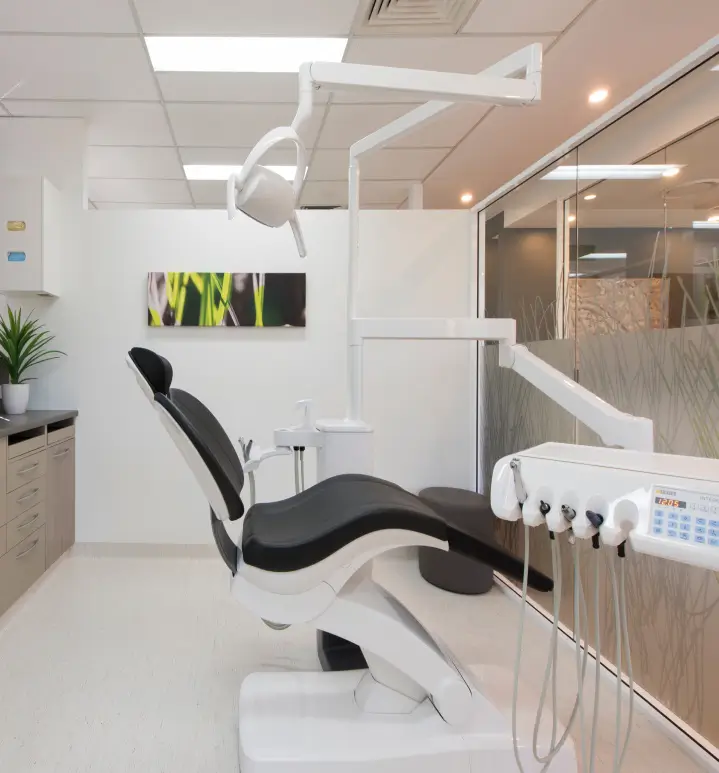
Tell us about any concerns before your appointment. We can explain each stage and discuss support for nervous patients, including whether IV sedation is appropriate. Sedation involves its own assessment and aftercare instructions.
Understanding the risks
Implant treatment involves surgery and ongoing care. Even with careful planning, complications can occur and outcomes cannot be guaranteed.
- Infection, bleeding or delayed healing.
- An implant failing to integrate with the bone, which may mean removal or a change of plan.
- Inflammation and bone loss around an implant, which can lead to implant loss.
- Effects on nearby structures, including nerves or sinuses. Nerve injury can cause altered sensation that may be temporary or permanent.
- Wear, chipping, fractures or loosening of the replacement teeth or components, requiring repair or replacement.
We will explain the risks relevant to your mouth, health and proposed treatment, including any additional procedures. Smoking, gum health, cleaning and bite forces can affect the outlook.
Fixed teeth still need daily care
A fixed bridge needs cleaning beneath it and around the implants. An overdenture must be removed and cleaned, including its attachments. We will demonstrate the techniques and aids suited to your restoration.
Regular reviews allow us to check the gums, implants, bite and replacement teeth. The implants and the teeth they support have different maintenance needs, and components may need repair or replacement over time.
Contact the practice if you notice bleeding, swelling, pain, looseness or a change in fit. After surgery, follow the contact instructions provided if symptoms worsen or cause concern.
Being comfortable with this ongoing care is an important part of deciding whether treatment suits you.
What affects the cost of full mouth implants?
The cost depends on whether one or both jaws need treatment, the type of replacement teeth, the implants required and any extractions, grafting or other preparation.
A useful comparison looks at the whole treatment plan, including temporary teeth, the final restoration and future maintenance. We will explain the recommended treatment, expected fees and inclusions before you decide.
Full arch implant FAQs
Find out more about who can have implants, what happens during treatment and how to care for your new teeth.
Suitability and treatment options
Would I need all my remaining teeth removed?
Not automatically. We assess each tooth and discuss whether it can be maintained. A full arch replacement may be considered when the remaining teeth have a poor outlook, but extraction is an irreversible decision. You should understand why any tooth is recommended for removal and what alternatives are available.
Do full mouth implants always mean both jaws?
No. People use “full mouth” in different ways when researching treatment. One jaw may need a full arch replacement while the other has teeth that can be kept. We assess both jaws together and make clear which teeth and jaws the proposed treatment covers.
Can I have implants if I have worn dentures for years?
Possibly. Bone can change after teeth are lost, so we need to assess the bone available now and whether preparatory treatment is needed. Wearing dentures for a long time does not by itself establish whether implants are suitable. Bring any concerns about your current dentures to the consultation.
Can I have implants if I smoke or have a medical condition?
Tell us about smoking, health conditions and all medicines during your assessment. These can affect healing, treatment choices and the risk of complications. Some conditions need to be stabilised first, and your dentist may need to liaise with your treating doctor. Smoking increases implant risks; we can discuss support for stopping.
Treatment and recovery
How many implants would I need?
There is no single number for everyone. It depends on the jaw, available bone, implant positions, bite and the design of the replacement teeth. The number is chosen as part of the overall plan, rather than treated as a package before your mouth is assessed.
Will I need a bone graft?
Not everyone does. Grafting may be considered if there is insufficient bone for the proposed implants. A full arch approach does not automatically remove the need for a graft. Imaging and treatment planning help establish the options and how any additional procedure would affect recovery, timing and cost.
Will I have fixed teeth straight away?
Some people may be suitable for temporary fixed teeth soon after implant placement. This depends on the clinical plan and the stability achieved during surgery. Others need a different temporary arrangement or a period of healing first.
Temporary teeth are not the final teeth, and having them does not mean healing is complete. Before treatment, ask what is planned for you, any period when a denture cannot be worn, and what would happen if immediate fixed teeth are not possible.
Will I be able to eat normally?
The aim is to improve function, but you will need to follow eating restrictions during healing. Once the final teeth are fitted, we will explain how to build up chewing and which foods or habits could damage the restoration. Your bite, the design of the teeth and healing all influence what you can expect.
Ongoing care and deciding on treatment
Can I take fixed implant teeth out to clean them?
No. A fixed bridge stays in your mouth and is removed by a dental professional if required for treatment or repair. You clean beneath it and around the implants using the methods demonstrated. A removable implant overdenture is different: you take it out as instructed to clean it.
How long do full arch implants last?
They are intended as a long-term treatment, but a lifetime result cannot be promised. Implant health depends on factors including your gums, cleaning, smoking and bite. The bridge, denture and attachments can wear or need repairs even while the implants remain in place. Regular maintenance is part of treatment.
Do I have to decide on treatment at the first consultation?
No. The consultation helps you understand your situation and the options. Further records or appointments may be needed before a complete plan and quote can be prepared. You can ask questions about the recommendation, alternatives, recovery and costs before deciding whether to proceed.
Find out what is possible for your mouth
You may be ready to explore implants, or simply want to know whether there is a better option than your current teeth or dentures. We will take time to understand your concerns and assess what could help.
Your consultation is a chance to discuss the teeth you can keep, suitable replacement options and what treatment would involve. You do not need to arrive with the answer.
New to the practice? Read what to expect at your first appointment.